Science of Reading
Empowering educators with evidence-based reading instruction.
At Hill, we help schools and educators turn the science of reading into effective classroom practice. Through customized, partnership-driven professional learning, in-person workshops, and self-paced courses, we partner with you to build deep knowledge, strengthen instruction, and support meaningful student growth.
Grounded in research and real classroom experience, our approach is practical, engaging, and designed for lasting impact—equipping educators with the tools and confidence to meet the needs of every learner.
Explore Our Offerings
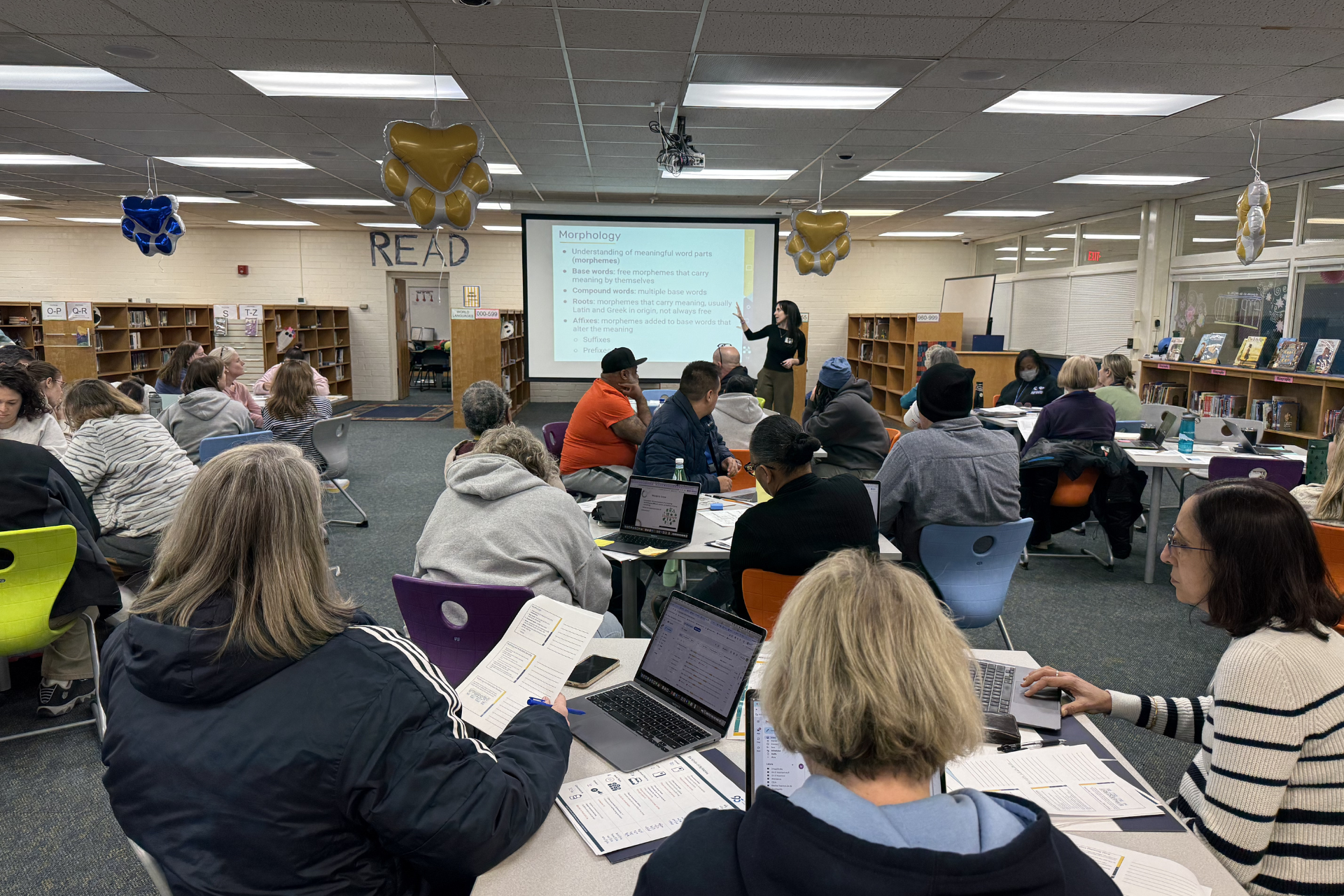
Science of Reading Essentials: Evidence-Based Instruction for All Grade Levels
In-Person Workshop: October 8
This full-day, in-person workshop will provide teachers across grade levels and subject areas with a collaborative learning environment to deepen their understanding of how we all learn to read words and make meaning from text. By connecting the science and research with practical strategies for the classroom, teachers will feel empowered to meet the literacy needs of their students, including differentiation for students who do not yet read at grade level. The workshop will include breakout sessions in the afternoon by grade band. Topics covered for all grade bands include foundational frameworks for the science of reading, word recognition skills, and language comprehension skills.
Language Comprehension: From Morphemes to Mental Models
In-Person Workshop: November 3
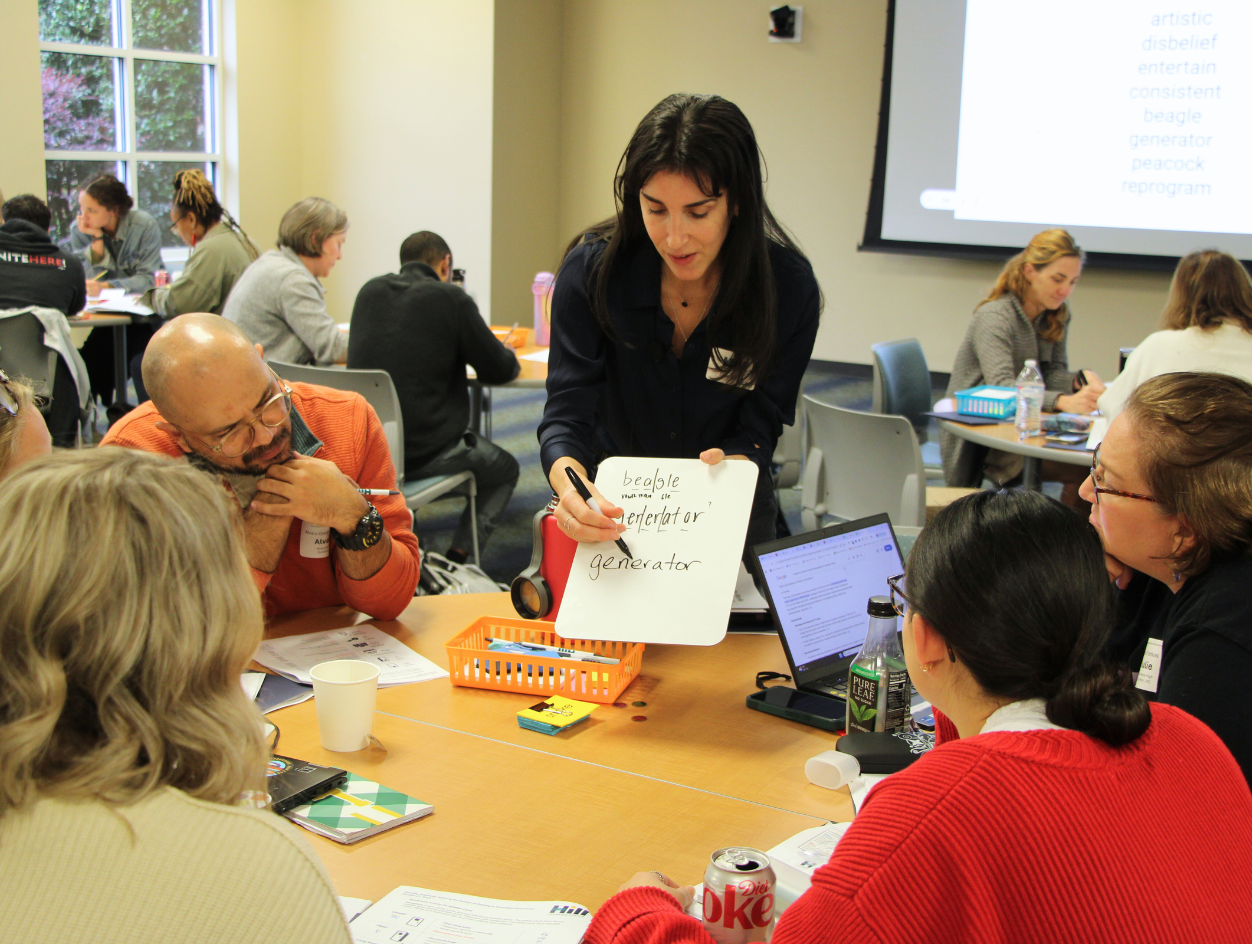
This full-day, in-person workshop offers a deep dive into the language comprehension domain of reading. Unlike the finite sequence of skills in word recognition, deriving meaning from language requires a complex set of “unconstrained” skills that develop from infancy through adulthood, and can be difficult to unpack in instruction.
Self-Paced Online Courses
The Science of Reading Short Course continues to offer a one-of-a-kind overview of the science behind effective reading instruction. Developed by a coalition of reading experts, the course gives educators critical information about what comprises the reading process by laying a solid conceptual and practical foundation for how to teach reading.
The 15-20-hour, self-paced course is an efficient introduction to the science of reading for a variety of educators – teachers, instructional coaches, school and district leaders, pre-service candidates, and pre-service faculty, whose training may not have adequately prepared them for evidence-based instruction in reading. Now with 2.0 CEUs, this comprehensive course is packed with new interactives, more content for secondary teachers, and the latest research in literacy.
The course was developed in collaboration with advisors from Barksdale Reading Institute, Hill Learning Center, The Reading Teacher’s Top Ten Tools, Right to Read Project, and 95 Percent Group.
Facilitated cohort support is available. Learn More
Learn More (Link opens in a new tab)This 10-hour asynchronous course will explore the principles and content of structured literacy. The principles guide how elements are taught in a method that is instructionally sound. Structured literacy aligns with the Science of Reading and includes the principles of effective reading instruction. The course will define each principle and content area offering some instructional examples for each tier of instruction.
Recommended Pre-requisite: Science of Reading Short Course or another introduction to the Science of Reading.
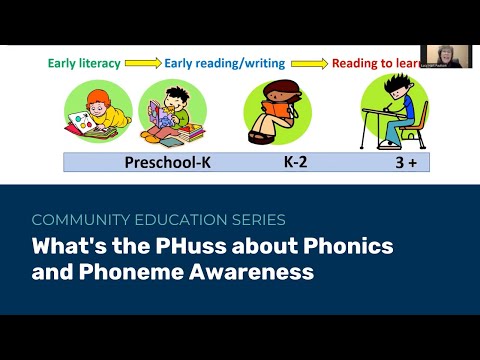
Learn MoreThis 10-hour online course will engage participants in a deep dive into content that will enable them to support readers in the challenge of breaking the alphabetic code. First, the course focuses on Phonological Awareness (PHA) and the recommended instructional skill sequence for learners. The content will explain why PHA is a prerequisite for phonics instruction and plays a key role in reading instruction for students with persistent reading challenges.
Note: This offering is available to North Carolina educators.
Inquire Now (Link opens in a new tab)Not sure which offering is right for you?
Fill out our Professional Development Inquiry Form, and a member of our team will personally guide you to the best fit. We’re here to help!
Meet the Team
Emily Ringler
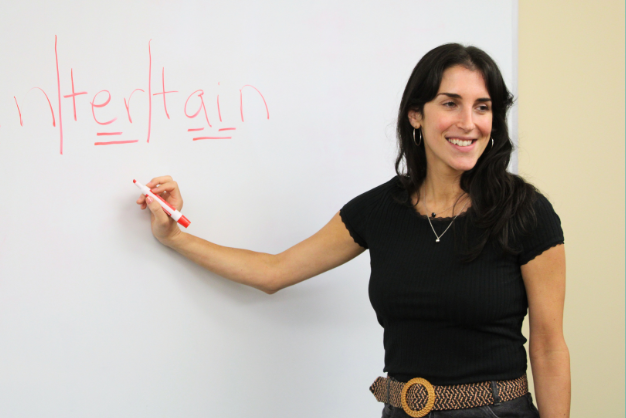
Emily Ringler is the Director of School & District Partnerships at Hill Learning Center, where she leads the Literacy Intervention Tutoring Program and professional learning in the Science of Reading. A former Special Education teacher and administrator, Emily holds multiple NC licensures and a Master’s in Curriculum and Instruction from NC State.

Understanding SOR
Structured Literacy and the Science of Reading
Reading is a complex neurological process, and structured literacy instruction uses explicit, evidence-based methods that are appropriate for all students but essential for students with learning differences, especially those with dyslexia. This systematic approach is based on the science of reading, which is a body of scientifically validated and replicable studies of both reading instruction and human processing.
Start your learning journey with the Science of Reading.

Contact